Life Begins After Menopause

I know, I know. We all grew up believing that women are not useful or happy once their childbearing years are in the rearview mirror. Our culture harps on the negatives of aging for women: the graying hair, the fading beauty, the expanding waistlines, new sags and wrinkles– at 66, those are all too familiar to me. We also have new worries as we age such as loss of bone density, and increased risk of illnesses and falls, and, let’s face it, a memory that is pounding away on three cylinders.

How about cognition? I may not be able to remember the name of the plumber, but I can conceptualize a project from glimmer to completion, something I could not do when I was younger. I find it easy and fun to work with concepts and abstractions– to pick through all that I know and make new connections. I’m glad for my aging brain.

And don’t get me started on the joys of retirement. Looking back, it seems that I spent 45 years running at breakneck speed with no end in sight. There was no time to reflect, no time to think or consider. It was do, do, do. Everyone I know who has retired says that they can’t figure out how they ever fit work into their busy schedules, but I know. While working, there was no time to join that book club, volunteer at that organization, serve on that committee, or read that book. Even working half-time, I find that I have time for everything I want to do (and several things that I don’t want to do but should do).

So, if I don’t count the empty ovaries, what else is missing from my life? How about cataclysmic mood swings each month? And periods I don’t miss them. Feelings of insecurity? Feeling like an imposter? Glad that is over. And being afraid to say exactly what I mean? Give me the pristine panties and chutzpa any day.

New Year, New Hope

Woke up this first day of 2021, 6 pounds over my desired weight. It has been a tough year. No need to do anything but eat right and exercise until everything had to shut down. Now Marjorie and I are thinking carefully about what happened to cause some weight gain and then take steps to deal with those changes.

One thing I noticed that once my gym closed down in March, I was using walking as my primary exercise. I never thought of that being something that could be overdone, but, “Ouch”. Balance is a good thing, and a Fitbit can be a nasty task master if steps are all you are paying attention to, not feet, knees and hips. Anything that slows you down can change the delicate balance of “winning”. Even though my gym began open-air classes through the summer and fall, being aware of what hurts had slowed me down enough to reverse progress.

Another issue that I’ve had to consider is the fact that using the Weight Watcher’s app, I had gotten used to counting on foods that did not have a point value. The idea of eating whole foods and low fat protein sources works great when losing weight and paying attention to satiety needs. Maintaining, it might just have become too easy to eat larger portions of healthy foods. I was not writing everything down, but I am back on track paying attention.

There is still nothing out there meant to support maintaining a weight loss long term. Weight Watchers could really improve their company by changing over to true support for people who have reached their goal. We have lots of ideas about how this would look, but we haven’t gotten their attention yet.

Happy New Year, and here is to increased health and success for all of us!

Every Bean Salad

Easy, satisfying, and loaded with nutrition and fiber.

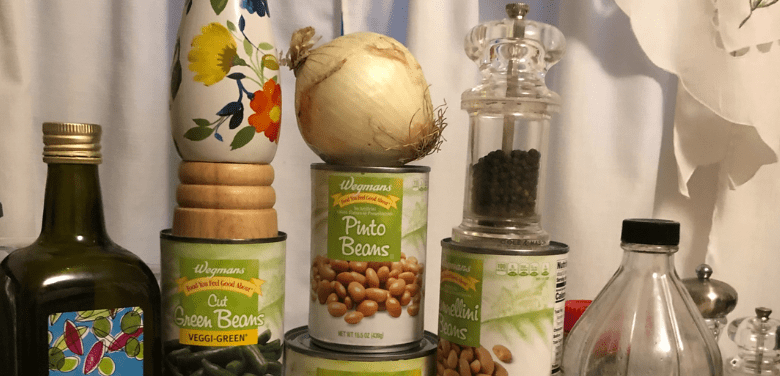
  • 7 cans of any beans, drained and rinsed
  • chop one mild onion
  • combine in a covered bowl or storage container…at least 14 cups size
  • add 1 cup vinegar, your choice
  • add 1/4 cup good olive oil
  • salt and pepper to taste
  • best after a day in refrigerator

We use bean salad instead of salad dressing, grab a bowl for a snack, and mixed it just today with tomatoes still warm from the garden. One secret for dealing with hunger, adding fiber and keeping something good to choose on hand. Change up the seasoning to taste.

A Tale of Two Sisters

In March of 2017, Marjorie had lost 20 pounds and was trying to break through a plateau while faithfully following Weight Watchers. Karen came to visit, promising that following Marjorie’s food plan would be just fine for her and her husband. They did not want to set her back.

Karen had given up on losing weight years earlier, but found that, while enjoying every minute of their time in California, both she and her husband had lost two pounds. When they returned in early April, those pounds came right back. By May 1st, Karen was signing up for Weight Watchers and was determined to support Marjorie through this plateau and beyond. That marks the beginning of our collaboration.

Fast forward to 2020. We have been maintaining for over two years and are still utilizing the Weight Watcher’s tools and each other’s support. For both of us, this has been a huge change in our history, saying goodbye to the frustration of feeling like we would never be the shape and size we desired.

Sisters, yes, but their personal stories can be quite different. Karen was an overweight child who reacted to criticism by developing an eating disorder. There was no diagnoses back then, but it is clear that she had anorexia, then bulimia. Weight Watchers works for her because there is no calorie-counting, an activity which she finds triggering (as do the workshops when it is clear many people are struggling with eating disorders). Marjorie became a yo-yo dieter when she was a young adult, gaining and losing up to 50 pounds every few years. Both Marjorie and Karen also experienced weight gain after beginning medications for psychiatric conditions. These are all contributors to their weight maintenance story.

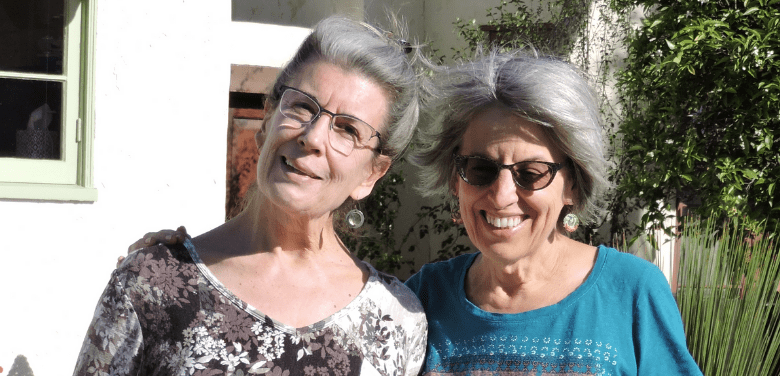
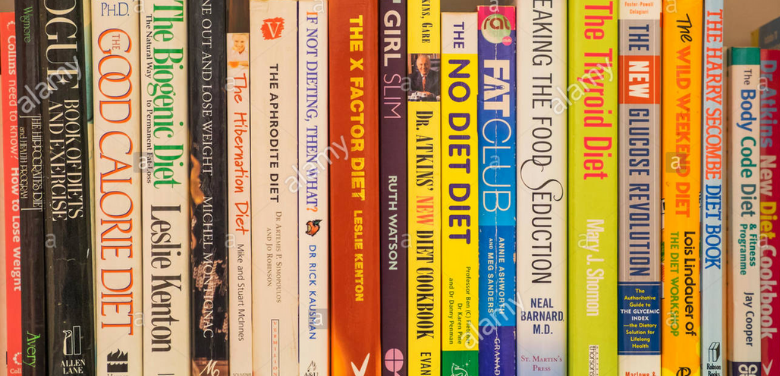
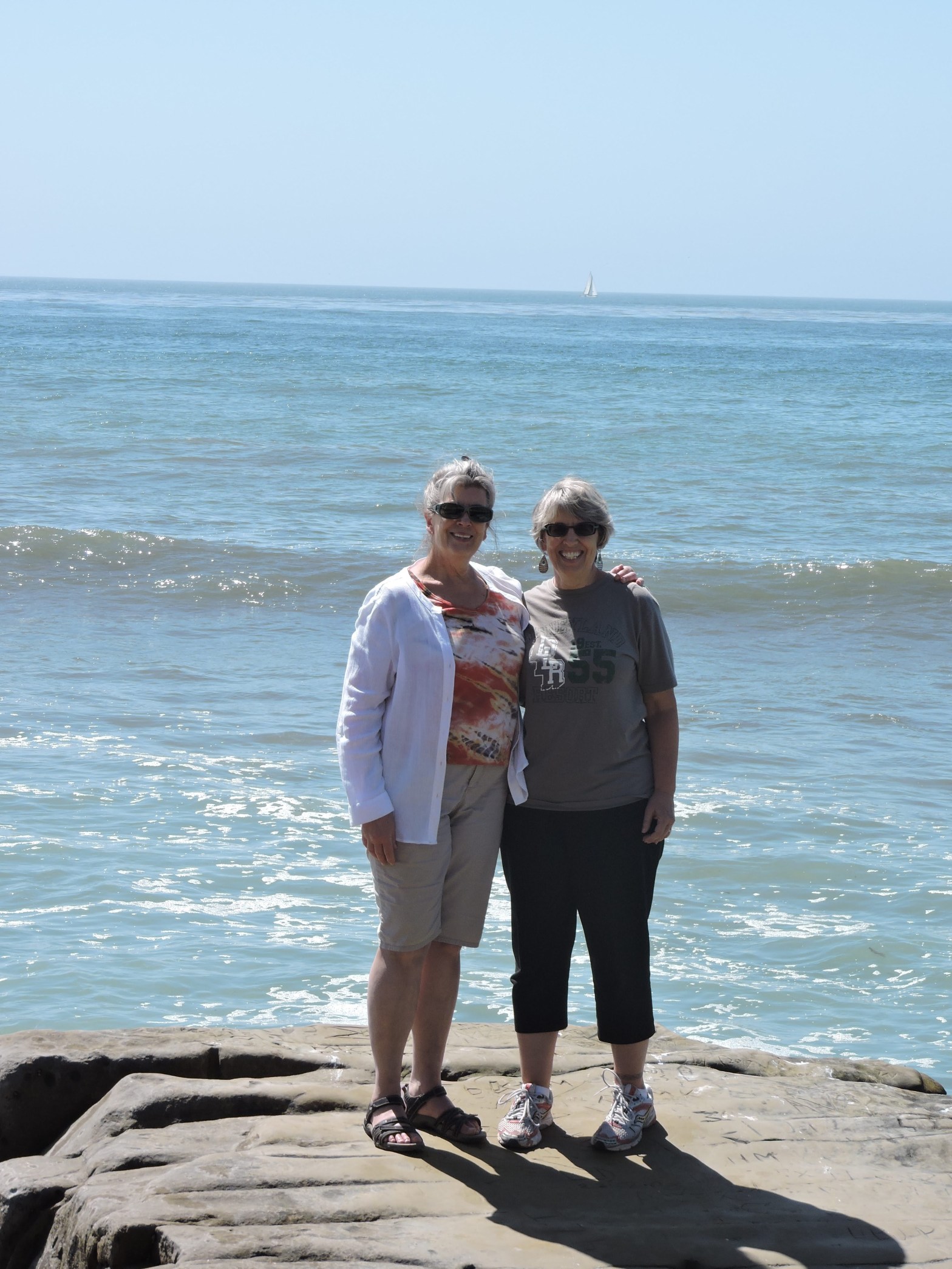
Marjorie is all about fashion and looking good. Karen is a bit of a jock, and is an exercise buff. It doesn’t matter what one’s motivation is, as long as the mind and body are engaged in this process — we all want to feel and look good! Their lives and writing are about becoming and staying both mentally and physically well. In this blog Karen and Marjorie share the emotional, the psychological, and the physical components of maintaining a healthy weight. The information in this blog is based on both personal experience and study, having read well over 100 books and articles on the topic. They go beyond “diet books” to talk about their joys and frustrations, the things that trip them up, and ways to forgive themselves when they go astray. Join Karen and Marjorie and “Stop Losing and Win!”

Combating the “Covid 15”

Have you noticed the scale inch up since the shut-down in March? We have. Extra time in front of the television means more snacks and less physical activity. Less activity and fewer things to do mean more time to think about food. Gyms being closed means that we need to find new routines for maintaining our muscles and burning calories. It all comes full circle: What you eat and do determines how you feel and think.

First, we’ll talk about food. Neither Marjorie or I have really gone off our food plans but did some frank talking about what might be causing this weight gain. We agreed that we are spending more time sitting watching movies and TV. We also realized that we have been snacking more on foods that would be considered perfectly fine on WW, but in greater quantities. Also, the unstructured hours have changed our ability to tune into feelings of satisfaction. How do we get that feeling during a shutdown with empty hours and full pantries?

Satiety, that feeling that you’ve had enough, is something that we had become familiar with as we both woke up each day at the weight we preferred. In the days of Covid-19, that feeling of satiety is harder to come by. There are fewer distractions and more opportunities to snack. It’s simple math. Both Marjorie and I know that to actually lose the additional pounds that have weaseled their way into our well-balanced and confident weight loss achievements, we will have to change what we do take in to the point that we are feeling hungry as we go to bed at night once again. This is not the time to do that.

When my husband and I enjoy a lot of screen-time, my Fitbit nudges me that I have sat too long, but what is there to do? So much is closed down, friends are much less likely to be willing to make plans, and being closed inside is easier when we are distracted by something fun. Marjorie and her partner Sharon have also found themselves escaping into the world of TV. Marjorie says that part of their movie addiction involves eating popcorn. Although she is being careful, after years of maintaining she has put on weight–not the Covid 15, but a few pounds. We are guessing that there is something about being enclosed in our houses too much of the time that has changed our ability to judge when we have simply had enough. Being active seems to help us feel satiated.

We realize that we can’t talk about diet without talking about exercise. Exercise does improve the food choices we make, and seems to be helpful in letting us know when we have eaten enough. It helps with that feeling of satiety, keeping us out of the kitchen and busy with other things. Marjorie and I spoke today about the changes that have taken place in our lives since Covid-19 began to impact many of the things we had learned to take for granted. My gym closed in March, and we here are hoping it will reopen soon. The New York State Governor has enjoyed high praise for his grasp of this crisis, but people have been chomping at the bit to get back into the gyms because our state has done so well getting a handle on this awful disease. Marjorie is in San Diego, and her gym has put classes online. California has experienced a spike in Covid-19 cases and has re-shut gyms as well as other businesses that provide other personal services. This is no time to be in an enclosed place with other Californians!

The gym is one of the fun parts of our lives that has, by necessity, taken a sabbatical. So, we have defined one problem: Too many hours in the house. Although it is true that weight loss is not closely tied to exercise, exercise is very important for maintaining a weight loss (Guyenet, 2017). I have had to get back into walking in the same neighborhood in which I have lived for 43 years. It is not fun like joining in a gym class with energized instructors and peers. Strength training here at home with my hand weights is tremendously boring compared to doing it in a group. Yet this is my reality right now. I’ve gotten online and taken some classes, but all that came to a stop when I had a hernia repaired 3 months ago and can only now begin to engage my core muscles again.

Marjorie says her gym is putting classes online as well, yet we agree that it is not the same as feeling that you are part of a group of people all working toward a fitness goal. Our current tasks are basic: to burn calories, build muscles, and stay out of the pantry!

We invite you to join us in our journey as we Stop Losing and Win. We will post what we learn about weight management, engaging you in our physical and psychological journey toward better health. But for now, here are a few strategies that might help you ward off the Covid 15 during Covid-19.

  1. Try to maintain. Now is not the time to try to lose the extra pounds any more than you would quit smoking while looking for a new job. A time of stress and crisis requires that you be kind to yourself. It will be a victory just to stay put for now!
  2. Stay satiated. You may be tempted to nibble between meals, prepare wonderful dishes, and drink that extra glass of wine. We jokingly say that we treat ourselves like toddlers with it comes to food, always having a little container of something nutritious and delicious at hand. We keep high protein, low calorie snacks around such as roasted vegetables (they are good cold), hard boiled eggs, Greek yogurt, fruit, and bean salad. Indulge without worry or guilt.
  3. Stay active every day. Schedule in a walk or a class the same way you would plan to take a shower or brush your teeth. It’s too easy to find a comfy couch or chair–and just stay there. If “doing something” is an imperative, you’ll better protect yourself from unwanted pounds.
  4. Maintain your sleep/wake schedule. For some reason, sleep is really important to weight management (**Guyenet, S. 2017). Both of us just feel more capable of making good choices when we’re rested, and an accumulation of good choices is what weight management is all about.
  5. Attend to your emotional needs. It’s been four months and we have nearly forgotten that we are in the middle of a crisis of epoch proportions. This is a good time to stay in touch with the right people which might include a therapist or psychiatrist. Be generous with yourself, and thrive.

Guyenet, S. (2017). The Hungry Brain: Outsmarting the instincts that make us overeat. ref. pg. 142, second ref. pg.219


Why This Diet Blog?

Too many times people painstakingly diet over a period of months only to regain the weight. Marjorie, my sister, and I have been through this frustrating cycle more times than we can count. We’ve worked hard to lose a substantial number of pounds only to gain them back the following year. Starting in 2017 we began supporting each other and lost the weight we did not want one more time. This time we were not going to go back and begin again. We were going to win at this game.

Being rather studious, in addition to emailing and talking to each other regularly, we scoured the academic and popular literature. We assumed some smart person must have written that book or completed that study. Lots of information out there, but we were shocked to see how little has been written about what to do once one arrives.

Introduce Yourself (Example Post)

This is an example post, originally published as part of Blogging University. Enroll in one of our ten programs, and start your blog right.

Make a change. You’re going to publish a post today. Don’t worry about how your blog looks. Don’t worry if you haven’t given it a name yet, or you’re feeling overwhelmed. Just click the “New Post” button, and tell us why you’re here.

Why do this?

  • Because it gives new readers context. What are you about? Why should they read your blog?
  • Because it will help you focus your own ideas about your blog and what you’d like to do with it.

The post can be short or long, a personal intro to your life or a bloggy mission statement, a manifesto for the future or a simple outline of your the types of things you hope to publish.

To help you get started, here are a few questions:

  • Why are you blogging publicly, rather than keeping a personal journal?
  • What topics do you think you’ll write about?
  • Who would you love to connect with via your blog?
  • If you blog successfully throughout the next year, what would you hope to have accomplished?

You’re not locked into any of this; one of the wonderful things about blogs is how they constantly evolve as we learn, grow, and interact with one another — but it’s good to know where and why you started, and articulating your goals may just give you a few other post ideas.

Can’t think how to get started? Just write the first thing that pops into your head. Anne Lamott, author of a book on writing we love, says that you need to give yourself permission to write a “crappy first draft”. Anne makes a great point — just start writing, and worry about editing it later.

When you’re ready to publish, give your post three to five tags that describe your blog’s focus — writing, photography, fiction, parenting, food, cars, movies, sports, whatever. These tags will help others who care about your topics find you in the Reader. Make sure one of the tags is “zerotohero,” so other new bloggers can find you, too.